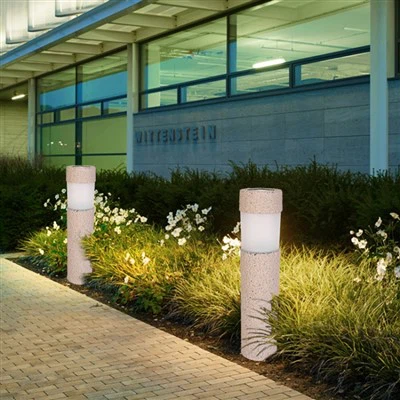
As a clean energy terminal integrating photoelectric conversion, energy storage, and lighting, the overall performance of solar lights largely depends on the structural characteristics and durability of the materials used. Different components have varying material requirements due to functional differences. Appropriate material selection not only determines the product's conversion efficiency and lifespan but also affects its overall ability to adapt to complex environments.
Photovoltaic modules are the core of energy harvesting, generally using high-purity monocrystalline or polycrystalline silicon wafers as the substrate. These silicon crystals have excellent bandgap and carrier mobility, achieving conversion efficiencies exceeding 20% under standard illumination. To improve weather resistance, the silicon wafer surface is coated with an anti-reflective coating and encapsulated with tempered glass and EVA (ethylene-vinyl acetate copolymer), forming a protective layer that combines light transmittance and mechanical strength, resisting hail, strong winds, and UV aging. The frame is mostly made of anodized aluminum alloy, which is lightweight, corrosion-resistant, and easy to install and fix.
Energy storage units are mainly based on batteries, with lithium iron phosphate batteries or ternary lithium batteries being the mainstream solutions. Lithium iron phosphate (LFP) batteries offer advantages such as high thermal stability and long cycle life (typically exceeding 2000 cycles), making them suitable for outdoor environments with large temperature differences and high safety requirements. Ternary lithium batteries, on the other hand, provide higher energy density within the same volume, making them suitable for applications where weight and space are critical. Battery casings commonly use flame-retardant ABS or metal shells, balancing protection and heat dissipation.
The core of the lighting component is the LED chip, based on compound semiconductors such as gallium nitride (GaN), offering high luminous efficiency and a lifespan of tens of thousands of hours. To optimize light distribution and durability, LEDs often incorporate waterproof PC (polycarbonate) or PMMA (polymethyl methacrylate) lenses; the former provides strong impact resistance, while the latter offers high optical transmittance. The lamp housing is typically made of die-cast aluminum or engineering plastics, combined with silicone sealing rings to achieve IP65 or higher protection ratings, effectively preventing rain and dust corrosion.
The controller and connectors must withstand outdoor humidity and salt spray corrosion. The circuit board generally uses FR-4 epoxy glass cloth board with a conformal coating for moisture and mildew resistance. Connectors often use gold-plated copper terminals or stainless steel clips to reduce contact resistance and extend insertion/removal life.
Overall, the materials used in solar lamp components achieve a balance between photoelectric performance, structural strength, weather resistance, and safety. This systematic approach to material selection ensures the stable performance of the equipment under varying climates and long-term operating conditions, and also provides a fundamental support for the industry to continuously improve product quality.